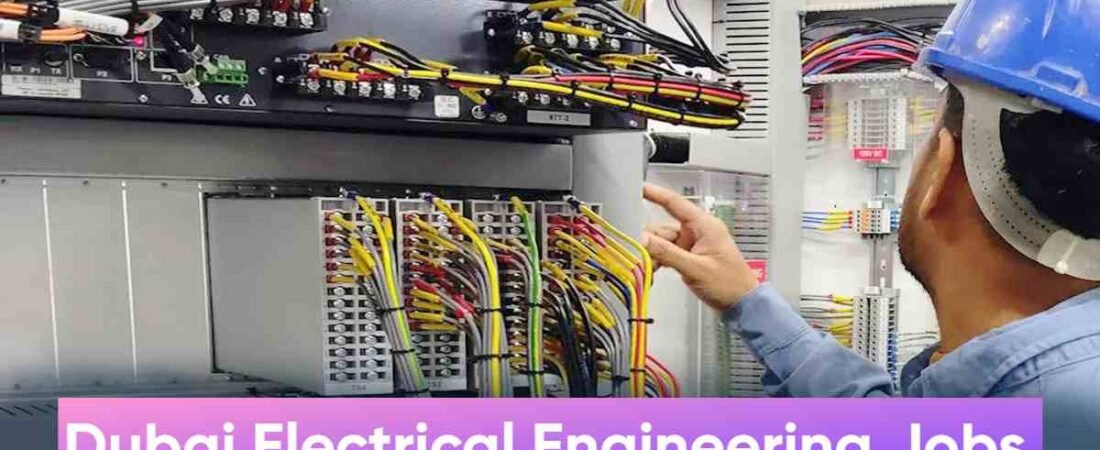
Dubai is one of the fastest-growing cities in the world and a major hub for construction, energy, infrastructure, manufacturing, transportation, and smart city development. As the city continues expanding its metro systems, airports, renewable energy projects, and high-rise buildings, the demand for skilled electrical engineers remains strong.
Electrical engineering professionals from countries like India, Pakistan, Nepal, Bangladesh, Sri Lanka, Egypt, and the Philippines frequently seek employment opportunities in Dubai because of competitive tax-free salaries, international exposure, and career growth opportunities.
If you are planning to work in Dubai in 2026, this guide explains electrical engineering jobs, salary expectations, eligibility requirements, and how to apply online.
Why Choose Electrical Engineering Jobs in Dubai?
Dubai invests billions of dollars in infrastructure projects every year. Electrical engineers are needed to design, install, maintain, and supervise electrical systems across various industries.
Some major sectors hiring electrical engineers include:
- Construction companies
- Real estate developers
- Oil and gas companies
- Renewable energy projects
- Manufacturing industries
- Airports and aviation
- Metro and rail projects
- Data centers
- Facility management companies
- Government infrastructure projects
Working in Dubai also provides international experience that can significantly improve future career prospects.
Popular Electrical Engineering Jobs in Dubai
Electrical engineers can find opportunities in different specializations.
Entry-Level Positions
- Junior Electrical Engineer
- Electrical Site Engineer
- Maintenance Engineer
- Electrical Technician
- Project Coordinator
- Graduate Engineer Trainee
Experienced Positions
- Electrical Design Engineer
- MEP Electrical Engineer
- Senior Electrical Engineer
- Project Engineer
- Electrical Supervisor
- Testing and Commissioning Engineer
- Facility Engineer
- Power Systems Engineer
- Automation Engineer
- Electrical Project Manager
Duties and Responsibilities
Job responsibilities vary depending on the employer and industry.
Common responsibilities include:
- Designing electrical systems
- Preparing technical drawings
- Supervising installation work
- Conducting equipment testing
- Maintaining electrical systems
- Preparing project reports
- Monitoring safety procedures
- Coordinating with construction teams
- Managing project timelines
- Troubleshooting electrical problems
Engineers working in large projects often collaborate with civil, mechanical, and architectural teams.
Educational Requirements
Most employers require formal engineering education.
Basic Qualifications
Candidates should possess one of the following:
- Bachelor’s degree in Electrical Engineering
- Bachelor of Technology (B.Tech) in Electrical Engineering
- Diploma in Electrical Engineering (for technician roles)
Degrees from recognized universities are preferred.
Experience Requirements
Experience requirements vary according to position.
Freshers
Fresh graduates may apply for:
- Graduate Engineer Trainee
- Junior Electrical Engineer
- Electrical Coordinator
- Assistant Engineer
Experience is not always mandatory for entry-level positions.
Experienced Professionals
Most companies prefer:
- 2 to 5 years of experience for mid-level roles
- 5 to 10 years for senior positions
- GCC experience is an advantage but not always mandatory
Essential Skills Required
Employers often look for both technical and soft skills.
Technical Skills
Knowledge of:
- Electrical design systems
- Power distribution systems
- Electrical safety standards
- AutoCAD
- Revit MEP
- ETAP software
- PLC systems
- Building management systems
- Solar energy systems
Soft Skills
- English communication
- Teamwork
- Problem-solving
- Leadership skills
- Time management
- Attention to detail
Knowledge of Arabic is beneficial but not compulsory.
Dubai Electrical Engineer Salary 2026
Salaries vary depending on experience, company size, and industry.
| Position | Monthly Salary (AED) |
|---|---|
| Graduate Engineer Trainee | AED 3,000 – 5,000 |
| Junior Electrical Engineer | AED 4,000 – 7,000 |
| Electrical Site Engineer | AED 5,000 – 9,000 |
| MEP Electrical Engineer | AED 6,000 – 12,000 |
| Senior Electrical Engineer | AED 10,000 – 18,000 |
| Project Engineer | AED 12,000 – 20,000 |
| Project Manager | AED 18,000 – 35,000+ |
Additional benefits may include:
- Accommodation allowance
- Transportation allowance
- Medical insurance
- Annual airfare
- Paid leave
- Performance bonuses
- End-of-service benefits
Government and multinational companies often offer better compensation packages.
Documents Required for Application
Prepare digital copies of these documents.
Mandatory Documents
- Updated CV/Resume
- Passport copy
- Passport-size photo
- Educational certificates
- Engineering degree certificate
- Experience certificates
- Professional licenses (if available)
Optional Certifications
Additional certifications improve job opportunities.
Examples include:
- PMP (Project Management Professional)
- NEBOSH
- IOSH
- AutoCAD certification
- Revit certification
- ETAP certification
Is a UAE Engineering License Required?
Not every employer requires a UAE engineering license.
However, some government and specialized engineering positions may ask for:
- Society of Engineers UAE membership
- Attested educational certificates
- Professional engineering registrations
Certificate attestation from your home country is highly recommended before moving to Dubai.
How to Apply for Dubai Electrical Engineering Jobs Online
Step 1: Create a Professional Resume
Your CV should include:
- Personal details
- Educational qualifications
- Technical skills
- Software expertise
- Work experience
- Certifications
- Languages known
Keep the resume concise and professional.
Step 2: Register on Job Portals
Popular job websites include:
- Indeed UAE
- Bayt
- GulfTalent
- Naukrigulf
Create complete profiles with updated information.
Step 3: Apply Through Company Career Pages
Many companies hire directly through official websites.
Examples include:
- Siemens
- Schneider Electric
- ABB
- Al Futtaim Engineering
- Emirates Electrical Engineering
- Emaar Properties
- Dubai Electricity and Water Authority (DEWA)
Step 4: Upload Your Documents
Prepare PDF versions of:
- Resume
- Passport
- Degree certificates
- Experience letters
Step 5: Attend Interviews
Interviews may be conducted online via:
- Microsoft Teams
- Zoom
- Google Meet
Employers often ask technical and practical questions.
Interview Questions You May Face
Common interview questions include:
- Explain power factor and its importance.
- What is the difference between AC and DC?
- How do circuit breakers work?
- What electrical software have you used?
- Explain load calculations.
- Describe a project you worked on.
- How do you ensure workplace safety?
Preparing these topics increases your chances of selection.
Tips to Get Hired Faster
Improve Software Skills
Learn:
- AutoCAD Electrical
- Revit MEP
- ETAP
Build a Strong LinkedIn Profile
Recruiters actively search for candidates online.
Gain International Certifications
Certifications can significantly improve employability.
Improve English Communication
Strong communication skills are highly valued.
Apply Regularly
Submit multiple applications every week.
Beware of Recruitment Scams
Be careful while applying online.
Never pay money for:
- Job guarantees
- Interview invitations
- Work permits
- Employment letters
- Visa approvals
Always verify companies through their official websites.
Final Thoughts
Dubai electrical engineering jobs in 2026 offer excellent career opportunities for freshers and experienced professionals. Rapid urban development, renewable energy projects, and smart infrastructure investments continue to create demand for qualified engineers.
Candidates with strong technical knowledge, software expertise, communication skills, and internationally recognized certifications have the highest chances of securing well-paying jobs.
The best strategy is to create a professional resume, apply through official company websites and trusted job portals, and avoid recruiters who demand upfront payments. With proper preparation and consistent applications, a successful electrical engineering career in Dubai is achievable.